

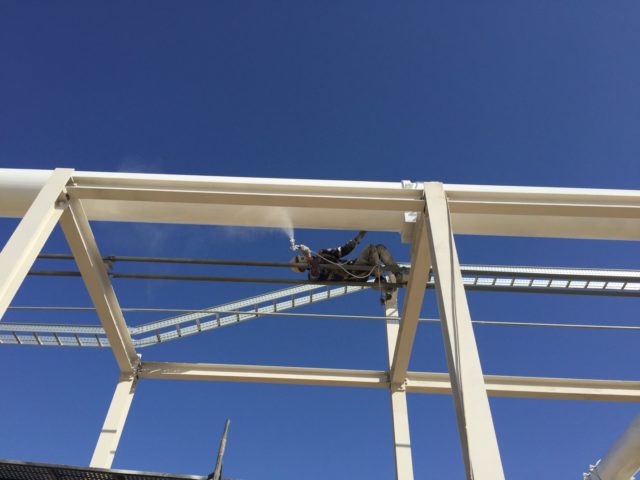
Corrosion protection for metal structures involves applying a protective layer based on polymer film-forming materials to a metal surface.
Corrosion protection is vital for preventing the complete destruction of steel during its operational lifespan. Annually, corrosion renders up to 10% of steel structures unusable.
Corrosion leads to two types of losses:
Direct Losses - these occur when steel or other metals are damaged beyond repair, necessitating the replacement of equipment or entire metal structures.
Indirect Losses - these arise from equipment idleness, leading to a significant reduction in operational capacity and product quality. To prevent significant losses, corrosion protection is often applied to ships, buildings, and other structures before they enter service. This protection is typically designed to last for the entire service life specified in the technical specifications of the structure. There are many anti-corrosion protection methods that can help prevent rust, both due to the specific operating conditions and the environmental factors affecting metal structures.
Purpose and cost of corrosion protection for metal structures
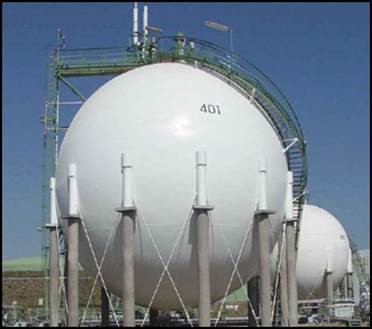
Corrosion, the main cause of metal structure failure, occurs due to the presence of oxygen and moisture on the surface. This initiates an electrochemical reaction that can completely destroy the metal. The rate and extent of corrosion are influenced by internal, external, and mechanical factors.
- External factors High humidity and the presence of contaminants (salts) and gases in the air, the velocity of fluid flow within pipelines, the duration of exposure to corrosive elements, and the temperature of the environment where the metal, reinforced concrete, or other structure is located.
- Internal factors Impurities within metal alloys, thermodynamic properties, structural composition, and density.
- Mechanical factors Metal fatigue, cracking, and cavitation.
Corrosion protection is most commonly required for iron, steel, and other everyday metals. It is also essential for items made from copper, zinc, brass, and cast iron.
Types of anti-corrosion treatment for metal structures
To effectively combat corrosion, metal structures are often protected using a variety of specialized treatments. The most prevalent types include:
- Protection from atmospheric exposure
- Corrosion protection for tanks, pipelines, and various equipment and tools
- Corrosion protection for ship surfaces
- Protection of industrial structures
Most often, anti-corrosion treatment involves applying several layers of coatings. These coatings contain a blend of chemical and organic components. The thickness of the applied layer is one of the most important parameters. A thicker application generally extends the lifespan of the metal structure. However, excessively thick layers can lead to increased material consumption and extended drying times. The technological data sheet for each anti-corrosion agent specifies recommended wet and dry film thickness, the volume content of non-volatile substances, and maximum thinner dilution ratios.
